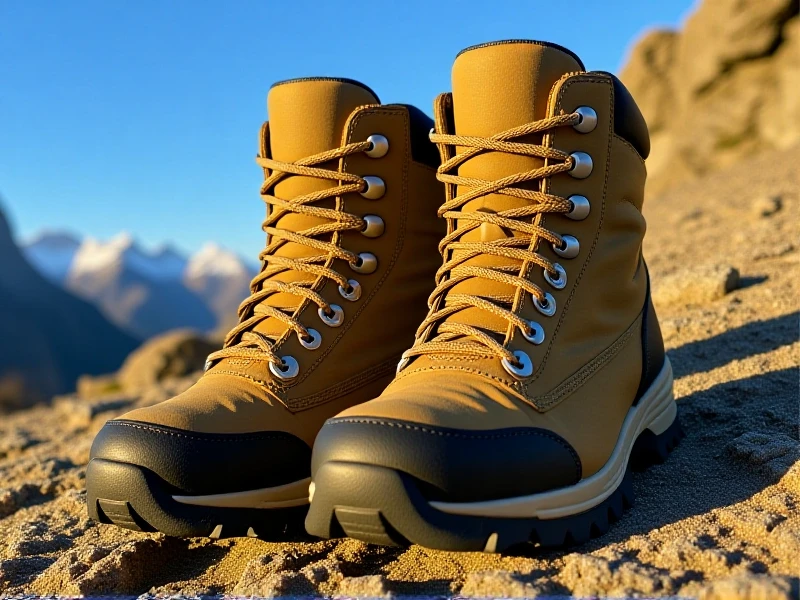
Essential Guide to Choosing the Best Mountaineering Shoes for Your Adventure
Every serious trek across rugged trails or ascent of imposing peaks begins with the right foundation: exceptional mountaineering shoes. These specialized boots are far more than just heavy-duty hiking footwear; they're engineered systems designed to protect your feet, provide unparalleled stability on treacherous terrain, and empower you to conquer demanding landscapes safely and confidently.
The core challenge of mountaineering involves navigating unstable surfaces—loose scree, slippery wet rock, steep snowfields, or icy patches. Ordinary boots simply don't offer the necessary grip or ankle support. Mountaineering shoes feature aggressive, deeply lugged outsoles made from high-friction rubber compounds. This delivers the critical traction needed to prevent slips and maintain control on varied and often unpredictable surfaces. The precise rubber formulation varies, balancing stickiness on dry rock with durability and performance in wet or cold conditions.
Crucially, these boots provide substantial ankle support. High-cut designs, often utilizing rigid yet supportive materials in the upper collar, cradle the ankle joint. This dramatically reduces the risk of twists, sprains, or rolls when traversing uneven ground or carrying heavy packs. Look for boots offering torsional rigidity as well, ensuring your foot stays stable even when the terrain beneath you pivots sideways.
Durability and protection are paramount. Mountaineering footwear employs robust materials like full-grain leather, abrasion-resistant synthetics, or combinations of both. They incorporate features like reinforced toe caps to shield against impacts from rocks and built-in shanks (either full-length or 3/4) in the midsole for stability on rocky paths. Protection against moisture is also key; many integrate waterproof, breathable membranes (like Gore-Tex) to keep feet dry from external water sources and internal perspiration. Insulation levels vary, catering to different climates and altitudes – from lightly insulated boots ideal for summer alpine missions to heavily insulated models for extreme cold or high-altitude expeditions.
Finally, adequate mountaineering boots offer the necessary stiffness required for efficiency when using crampons for glacier travel or steep ice and snow. Technical boots are categorized by their crampon compatibility rating (B1, B2, B3), indicating the type of crampons they can securely and safely accommodate. A secure, precise fit is non-negotiable; ill-fitting boots cause blisters and instability. Professional boot fitting is highly recommended, considering potential sock thickness and foot swelling during long days. Invest the time to find the mountaineering shoes that feel like an extension of yourself – your success and safety on the mountains depend immensely on this vital piece of gear. Choose wisely for your next great vertical journey.