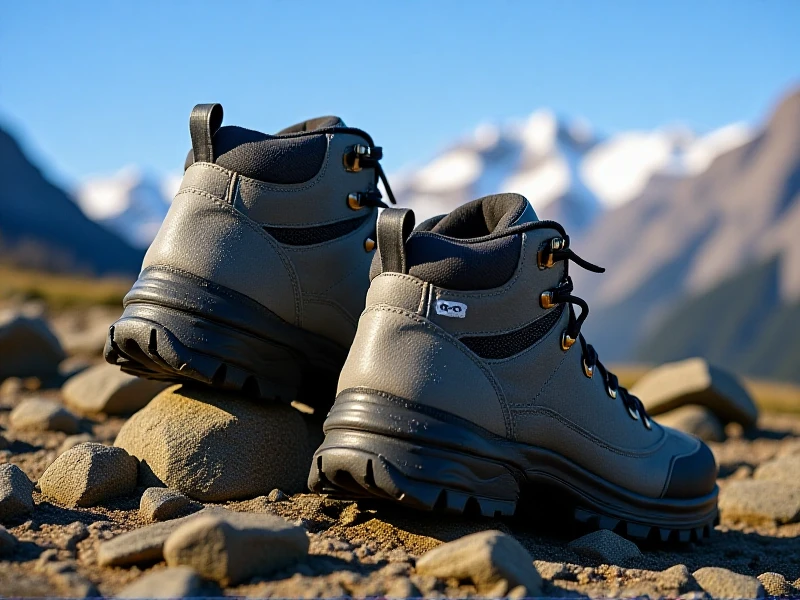
Choosing the Right Mountaineering Shoes: Your Foundation for Climbing Success
Your feet are your most critical asset in the mountains. Selecting the perfect pair of Mountaineering Shoes isn't just about comfort; it's fundamental to safety, performance, and conquering your objectives. Understanding the features that define high-performance Mountaineering Shoes will empower you to make a smart investment.
The primary role of Mountaineering Shoes is to provide exceptional stability and support on rugged, often treacherous terrain. Look for stiff midsoles that efficiently transfer energy with each step, protecting your feet from sharp rocks and reducing fatigue during long approaches or technical climbs. Ankle support is crucial – mid-cut or high-cut boots offer the lateral stability needed to prevent rolls on uneven ground, while low-cut Mountaineering Shoes might suit well-maintained trails only.
Traction reigns supreme. Rugged, sticky rubber outsoles with aggressive, multi-directional lugs (often Vibram®) are non-negotiable for reliable grip on rock, scree, ice, and mud. Underfoot stability plates further enhance grip on uneven surfaces. Waterproofing is another vital consideration. Membranes like Gore-Tex® keep feet dry from external moisture like rain, snow, and wet trails, while paired with breathable liners to manage sweat and prevent internal dampness – crucial for multi-day trips.
Durability is key. Mountaineering Shoes face immense abuse. High-quality synthetic materials and durable leathers (like nubuck or full-grain leather) are common choices. Leather often offers superior durability and weather resistance, while synthetics tend to be lighter and dry faster. Reinforced toe caps and heel counters protect against impacts and premature wear.
Fit is paramount – the most critical factor. Mountaineering Shoes should fit snugly but not painfully tight, allowing for a slight wiggle room in the toes while securing the heel firmly to prevent slippage. Remember to try them on with the socks you intend to wear while climbing. Consider crampon compatibility; technical boots require specific stiff soles compatible with semi-automatic or automatic crampons for glacial or icy terrain.
Key Considerations When Buying Mountaineering Shoes:
- Stiffness Level: Match boot stiffness to your terrain (flexible for trails vs. rigid for technical ice/rock).
- Weight: Lighter boots reduce fatigue; heavier boots offer greater protection and warmth.
- Insulation: Needed for cold conditions, but can cause overheating in milder weather.
- Weather Protection: Ensure waterproof/breathable technology.
- Durability Materials: Leather vs. synthetics - trade-offs exist.
- Crampon Compatibility: Essential for glacier or mixed climbs.
Investing in quality Mountaineering Shoes designed for your specific climbing goals is non-negotiable. Properly fitted, feature-rich boots provide the confidence, support, and protection you need to tackle challenging ascents safely and enjoy the journey upwards. Focus on fit, function, and durability above all. Your summit success starts from the ground up.